Blog
 Field notes: the parcel that scraped and turned out to be a solar farm
A rep's dirt-work alert on a county-road parcel turned out to be a solar farm instead of the distribution center he expected. What the scrape still told him.
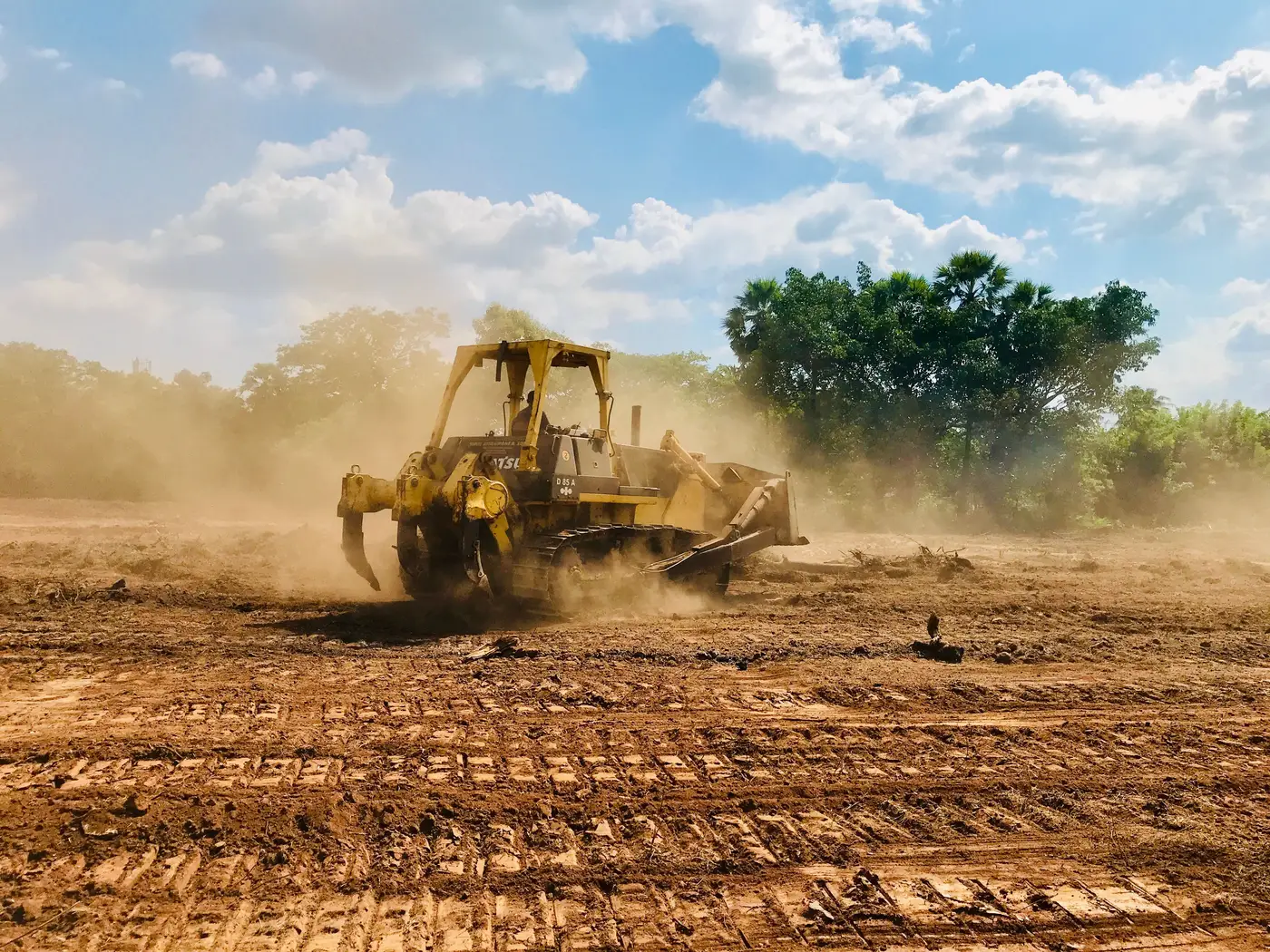 Demolition clearing vs. new-build site prep: reading the difference from above
A field guide to reading satellite imagery changes: how demolition rubble differs from a true topsoil scrape, and why the timeline matters.
 What a bid list actually gets you (and why early beats first)
A bid list is the roster a GC quotes from before a job breaks ground. Here's how it gets built and why early calls win over first calls.
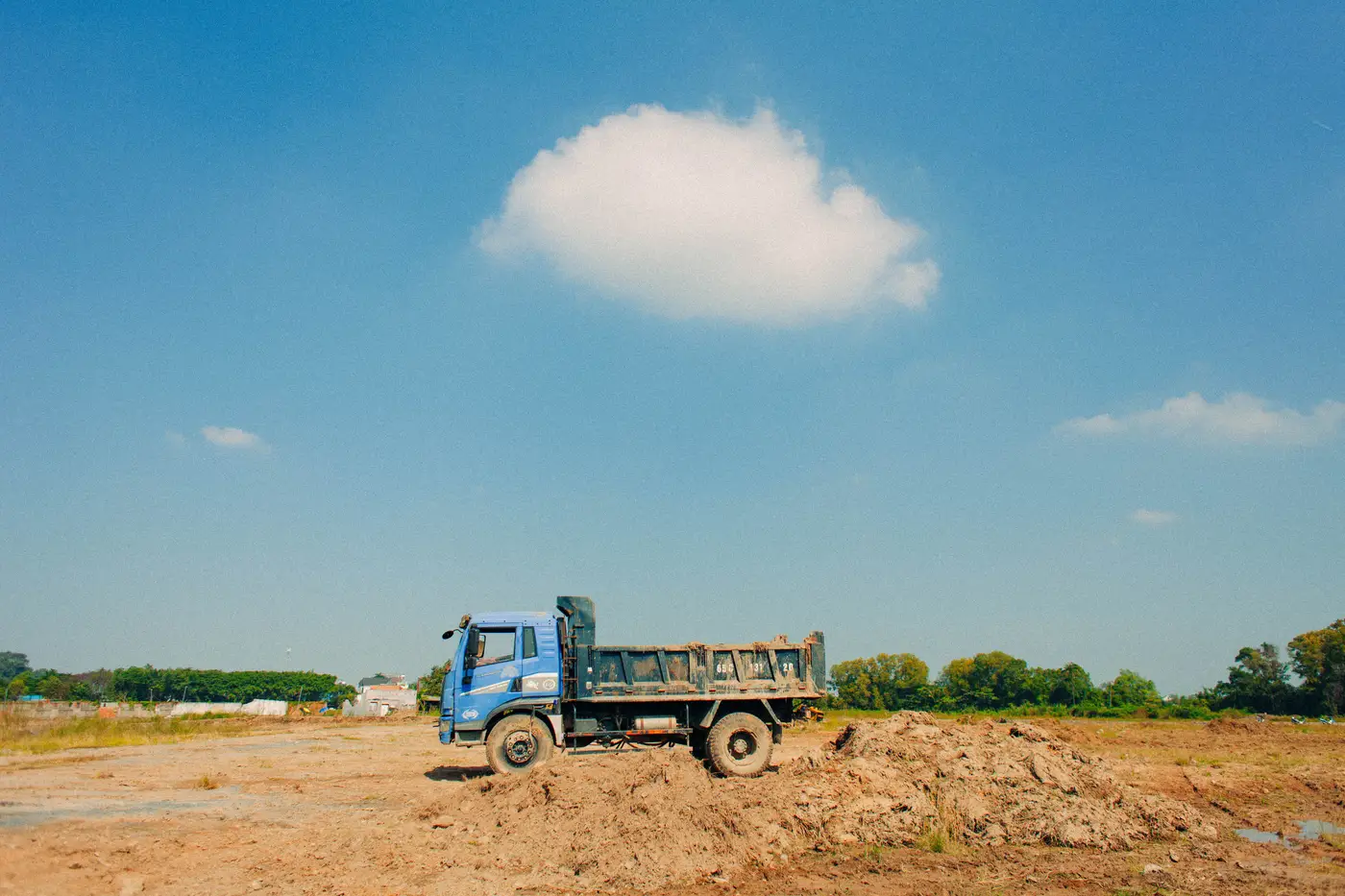 Site superintendent vs. GC: who to call first on a new job
The site superintendent runs the day-to-day on a new job. Here's why reps who call the super early beat the ones waiting on the GC.
- Field notes: the morning the scrape beat the permit notice to our inbox
A field-notes look at why the first scrape on a parcel shows up weeks before the permit board ever files it, and what that gap is worth.
- What is a pre-construction meeting, and why suppliers rarely get a seat
Pre-con meetings lock in scope and vendors before suppliers hear a word. Here's where that decision happens, and how to get ahead of it.
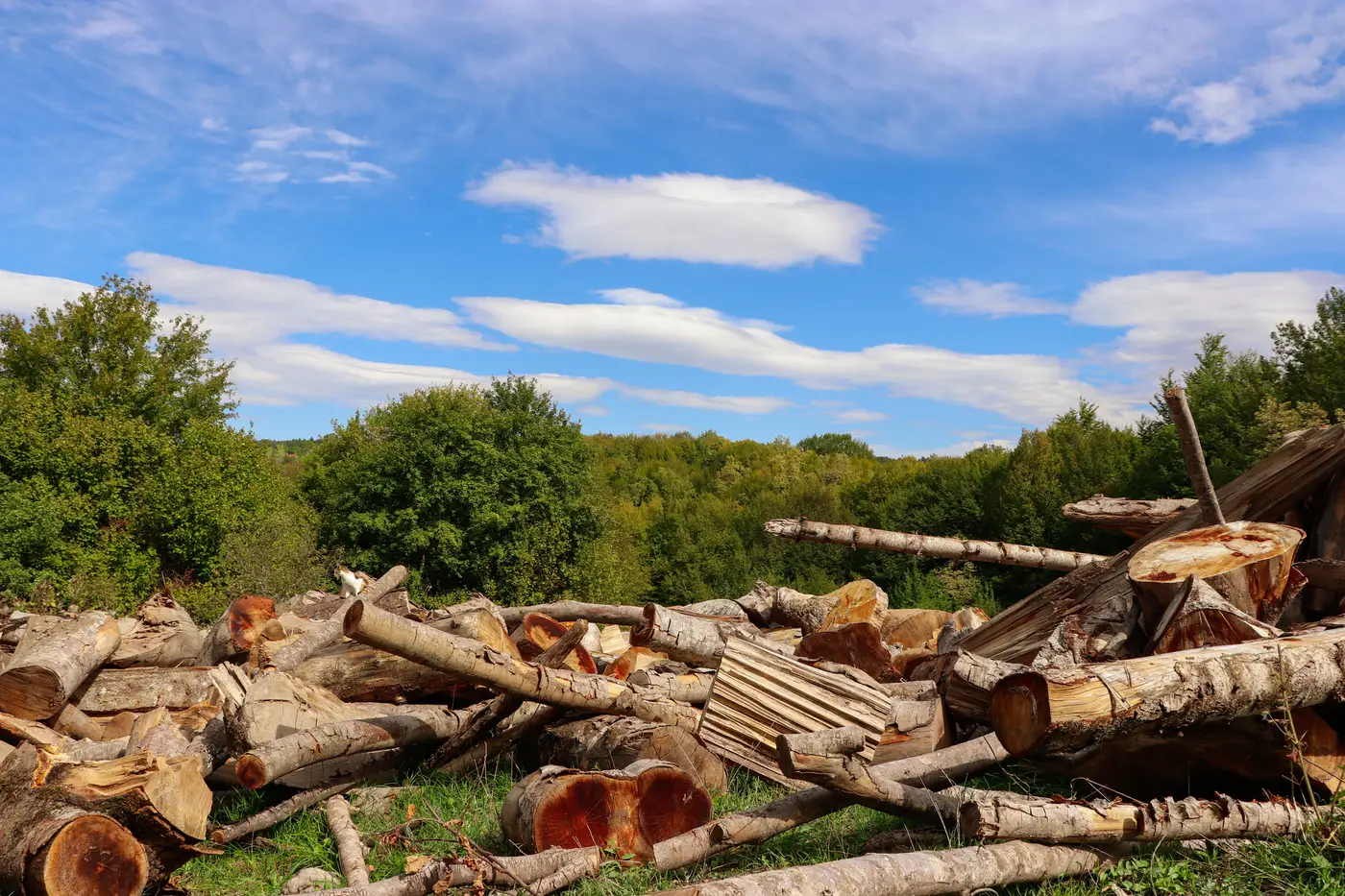 Grading vs. clearing: reading an early-stage site image right
How to tell site grading from land clearing in satellite imagery, so you're not calling on a parcel that's just had trees pushed over.
- Cut and fill plans, explained for reps chasing the first call
What a cut and fill plan tells you about a job's earthwork, and why spotting the first scrape beats reading the sheet after the fact.
- Field notes: the lot that sat quiet all spring until one Tuesday pass
A reseller's notebook entry on a parcel that gave no signal for months, then broke ground overnight, and what that teaches about watching dirt.
- Sorting job site leads by stage: a territory rep's triage
A practical way to rank job site leads across your territory by stage, so you call on the parcels that are moving first.
- How much lead time does a ready-mix supplier actually get before first pour?
What really happens between dirt moving on a parcel and the first ready-mix truck rolling out, and how much of that window you get to quote in.
- What a dirt scrape tells you about a job's real start date
A dirt scrape is the first topsoil strip on a parcel. Here's why it beats permit filings as proof a job is actually live.
- County permit portal alerts vs. satellite monitoring for new construction starts
County permit portals flag paperwork, not dirt. Here's how permit alerts and satellite imagery alerts differ for catching new construction starts.
- What counts as "mobilized" on a job site?
A field-level definition of construction mobilization, the signs that show a contractor has started, and why the trailer isn't the signal that matters.
- How to find the general contractor on a new commercial job
A field guide to tracking down the GC of record on a job that's just broken ground, from permit boards to the scale house.
- How to read a land disturbance permit application
A field guide to the sections on an LDP, how it differs from a grading or building permit, and why the filing date rarely matches the dig date.
- Mass grading vs. rough grading: what's the difference
Mass grading and rough grading aren't the same phase. Here's where the line falls and why it matters for timing your first call on a site.
- What is clearing and grubbing in site work?
Clearing and grubbing definition, what it covers on a job site, and why this early phase is the first real sign a parcel is moving to construction.