How to find the general contractor on a new commercial job
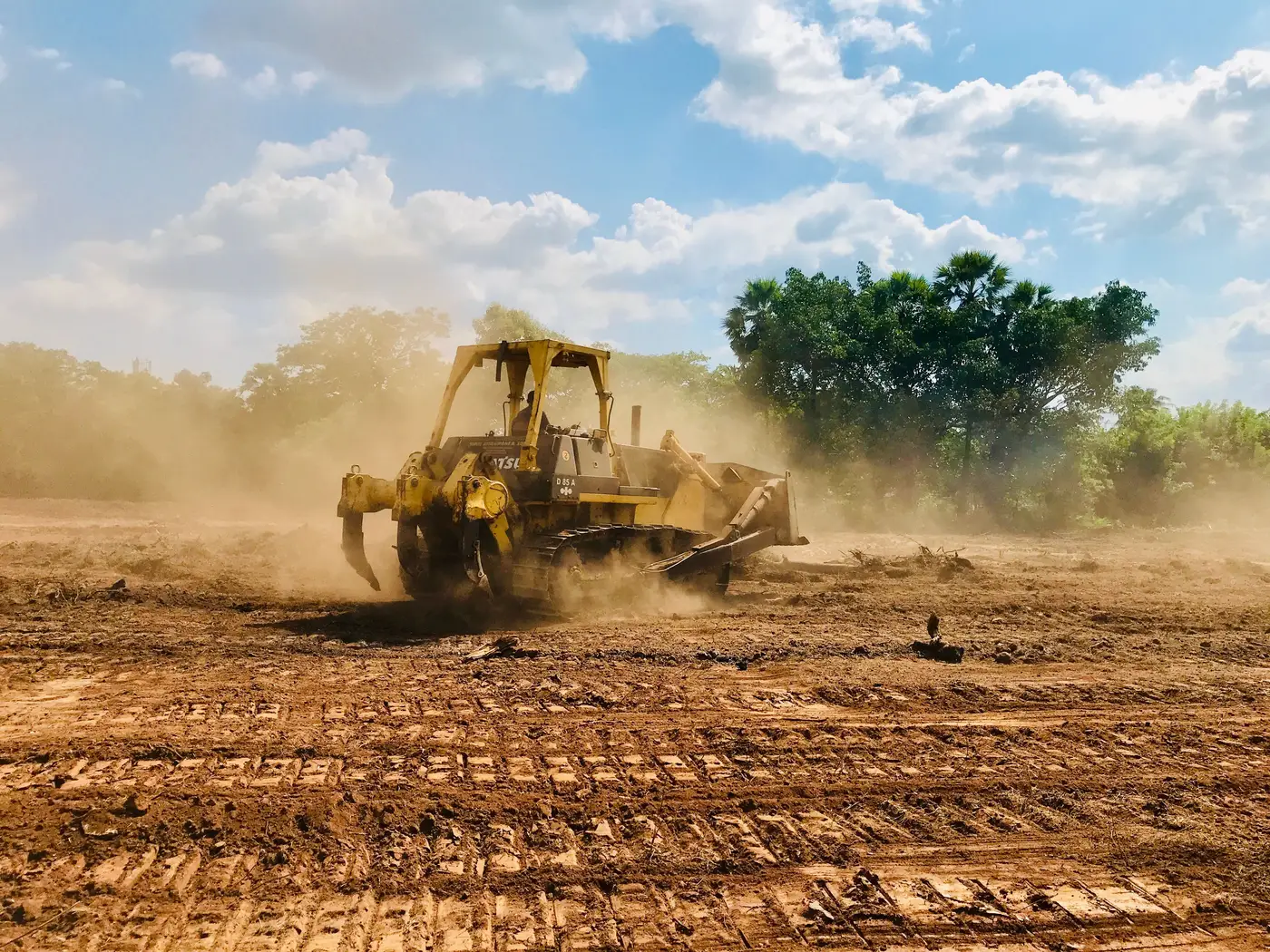
You drive past a lot you've had your eye on for months and the topsoil's gone. Grading's started. Somebody's already got the account, and it isn't you yet, so the clock's running on who makes the first call to the super.
Finding the GC of record isn't hard. Finding them before three other reps already have is the real problem.
Where the paper trail leads
Most counties and cities run their permit records online now, searchable by parcel number or address. Pull the building permit and the GC's name, license number, and sometimes a phone number are right there on the record. If the municipality still runs a paper system, a call to the building department's front desk will usually get you the same information read off a counter terminal.
State contractor licensing boards are the backup when the permit record is thin or the GC listed is a permit-pulling subcontractor rather than the lead. Most states let you search by project address or by license number, and the license record often lists a bonding company and a business phone that gets you past voicemail faster than the main office line does.
The posted permit placard at the site entrance is the oldest method and still works. It's required in most jurisdictions, usually zip-tied to a fence post or taped inside a job trailer window, and it lists the GC, the permit number, and sometimes the owner. The catch is that a lot of GCs don't post it until the framing inspection is scheduled, which is well past the point where the site already looks like a construction site to anyone driving by.
Trade data services and plan rooms (Dodge, ConstructConnect, BidClerk and similar) track bid and award data and will often have the GC attached to a project months before a permit even gets filed. That's the earliest the paper trail gets, and it still depends on the project being bid publicly through channels those services monitor, which a lot of private commercial work isn't.
Asking the people already on site
Once there's equipment moving dirt, the fastest path is usually the people standing next to it. The super's trailer, if one's been dropped yet, will have a name on the door or a sign-in sheet taped to the window. If it's just an excavation sub cutting the pad, ask them directly: subs on a job almost always know who the GC is, because that's who they invoice.
The scale house at a nearby quarry or batch plant is another source worth more than it gets credit for. Haul tickets list the job name and sometimes the GC, and the dispatcher running the scale sees every truck that leaves for that address.
Neither of these works until someone's walked the site, which puts you right back to driving the territory and hoping you catch the grading before a competitor does.
The gap every method shares
Permit records lag because clerks batch-enter them. Plan rooms only catch what's bid publicly. Placards go up late. Asking the super only works once there's a super to ask. Every one of these methods tells you who's running the job after the job is already visibly underway, sometimes weeks after the first cut.
A weekly satellite read of the parcels you're watching flags the day the topsoil actually gets scraped, before there's a placard, before the super's trailer shows up, before a permit clerk has even typed the record in. It won't hand you the GC's name, but it tells you which parcel to start calling about while the dirt's still fresh, instead of finding out from a competitor's rep who already beat you to the trailer.
Knowing where to start calling earlier than the next rep is most of the game. Earthworks Alerts just moves up the date you start.