Field notes: the lot that sat quiet all spring until one Tuesday pass
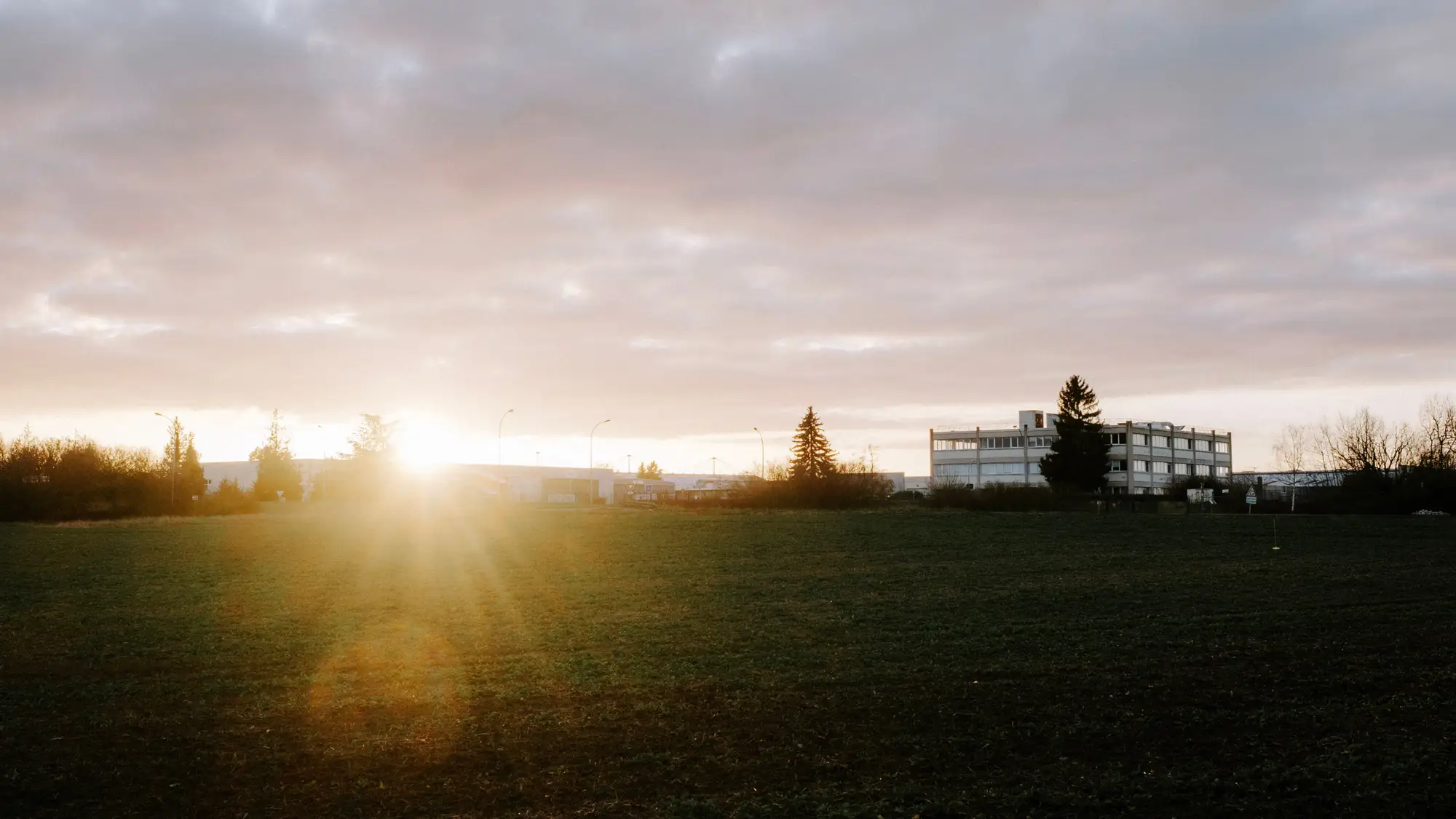
There's a 14-acre parcel off a county road I won't name, zoned commercial since before most of the guys on my route had their CDL. I'd driven past it on and off since February. Grass, a faded "available" sign leaning about ten degrees off plumb, a drainage ditch nobody had touched. Nothing.
I had it flagged anyway. Not because I had a tip, just because a buddy who does site work for a regional GC mentioned the name of the ownership group once at a lunch counter, and that was enough to put it on my list. Most of what's on that list never moves. That's the job: you watch forty parcels so you're standing in the right spot when one of them does something.
This one sat quiet through March, through April, through most of May. Then on a Tuesday it had a topsoil scrape on it the size of a football field. Not a stake-out, not survey flags, an actual cut. By the time I drove out there Thursday to see it with my own eyes, there was a dozer and a water truck and a super's trailer already parked with the generator running.
That's the gap I want to talk about, because it's the whole game for anybody selling into earthwork. The time between "paper is signed" and "dirt is visibly moving" can be weeks, and during most of that window the site looks exactly like it did the month before. Permits get pulled quietly. Mobilization happens on a schedule nobody posts.
The first indication that's public, the kind you can see without a contact on the inside, is the scrape itself. By the time you can see it from the road, somebody already beat you there. A compactor rep, an aggregate account manager, somebody from a competing yard who happened to drive past on the right day.
I've started treating that gap like weather. You don't control it, you just position for it. For years my version of positioning was literally driving past the parcels I cared about on a rotation, which works until you've got more than a handful of them or until the ones that matter aren't on your usual route. I missed a geotech firm's mobilization on a site last fall because I'd shifted my drive pattern for three weeks while I was working a different territory. By the time I noticed the silt fence up, their equipment had been on site for eleven days and the account was already somebody else's to lose.
What I've got now is less romantic than a drive-by, but it closes that gap. I keep a short list of parcels I actually care about: ones where I know the ownership, the zoning's right, or a broker mentioned something that sounded real. Earthworks Alerts watches that list against the weekly satellite pass and flags the week a parcel's surface changes, topsoil cut, not a permit filing or a rumor. You get it the week it happens instead of the week you happen to drive by. If you keep a list like mine, Earthworks Alerts will run it against the weekly pass so you don't have to drive it yourself.
The lot I mentioned at the top, I still don't know who tipped off the rep that beat me to the first call. Might've been nobody. Might've been his own drive-by, same as mine used to be. Doesn't matter now. I'm already watching the next one on my list, the quiet one that's been sitting there since January with nothing on it but grass and a sign nobody's straightened.
That lot's still quiet, for now. Some Tuesday it won't be, and I'd rather get the alert than count on the drive-by instinct.