Site superintendent vs. GC: who to call first on a new job
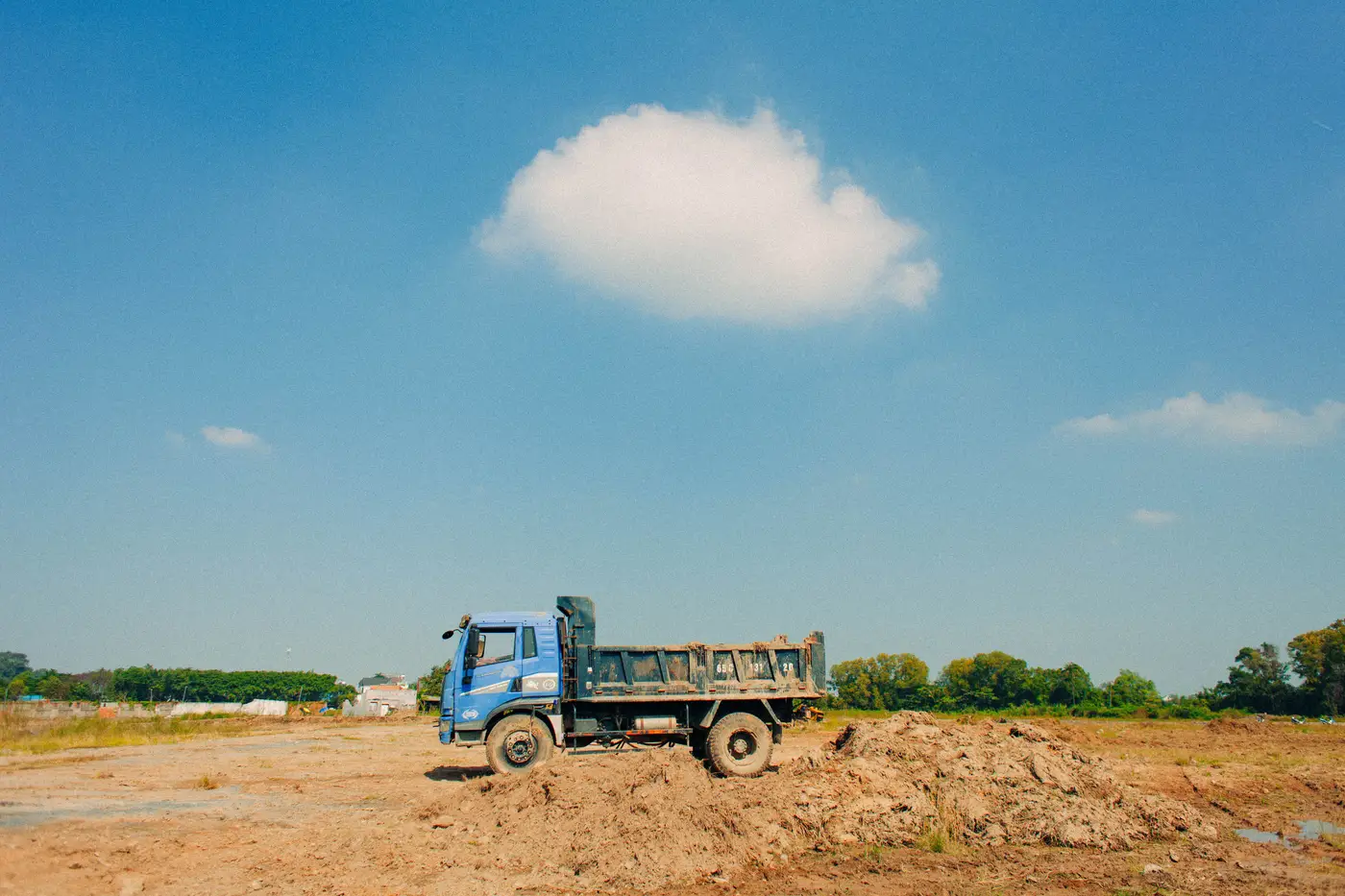
Every job has a general contractor's name on the sign out front. Fewer reps know the name of the person who actually decides what gets ordered and when. That's usually the site superintendent, and if you're not calling that desk, you're working one step behind whoever is.
What a site superintendent actually does
The GC holds the contract. The super runs the dirt. Day to day, the superintendent is the one walking the site, sequencing trades, signing off on deliveries, and deciding what equipment shows up this week versus next month. On a lot of jobs, especially anything under a few hundred units or a mid-size commercial build, the super is the first person with boots on the ground, often before the GC's project manager has even opened a file on the job.
That makes the superintendent the person closest to the actual timeline. A project manager back at the GC's office is juggling a dozen jobs and working off a schedule that's already a week or two stale by the time it crosses their desk. The super is living the schedule in real time. They know if earthwork is running ahead, if a subcontractor got pulled off another job and pushed the start date, or if the equipment rental they lined up fell through and they need something sooner than planned.
For a rep selling aggregate, rebar, rental equipment, or anything that gets ordered in the first few weeks of a job, that's the difference between a call that lands and a call that's three weeks too late.
Why the super beats the GC as a first call
Calling the GC first costs you time you don't get back. GCs field calls from every supplier, sub, and rep trying to get in front of a job, and a cold call into the main office usually routes through a receptionist or an assistant PM who has no authority to commit to anything. The superintendent, by contrast, is usually reachable directly, works off a cell phone, and has actual purchasing input on anything tied to the site itself: materials, equipment, temporary fencing, portable toilets, the stuff that gets ordered before the GC's procurement team even gets involved.
Supers also tend to remember who called first. On a job where topsoil just got scraped and the schedule is moving fast, being the rep who reached out in week one instead of week four sticks. On a trade where repeat business runs on relationships built job by job, that matters.
The catch is finding out a job is at that stage in the first place. Permit boards are slow to post, and by the time a notice shows up or a competitor's rep beats you to the super's cell number, the window's closed. Most reps still find out a parcel broke ground from a drive-by or a tip from someone else in the territory, which means they're reacting to news that's already a few weeks old.
Getting the call in before the schedule's already set
If you're covering a territory and relying on windshield time or permit filings to tell you when a site's gone active, you're starting the relationship late almost every time. Earthworks Alerts watches the parcels you're tracking and flags the week topsoil first gets scraped, so you know a site's moving before it looks like one from the road. That's the window where a call to the superintendent still counts as early, not a follow-up after someone else already got there.
A site super juggling a dozen moving parts in the first weeks of a job isn't going to chase down every supplier on their own. The reps who show up first, with the right name on the call, are the ones who end up on the job.
If reaching the super in week one instead of week four is worth something to your numbers, it's worth seeing which parcels in your territory just started moving.