What is clearing and grubbing in site work?
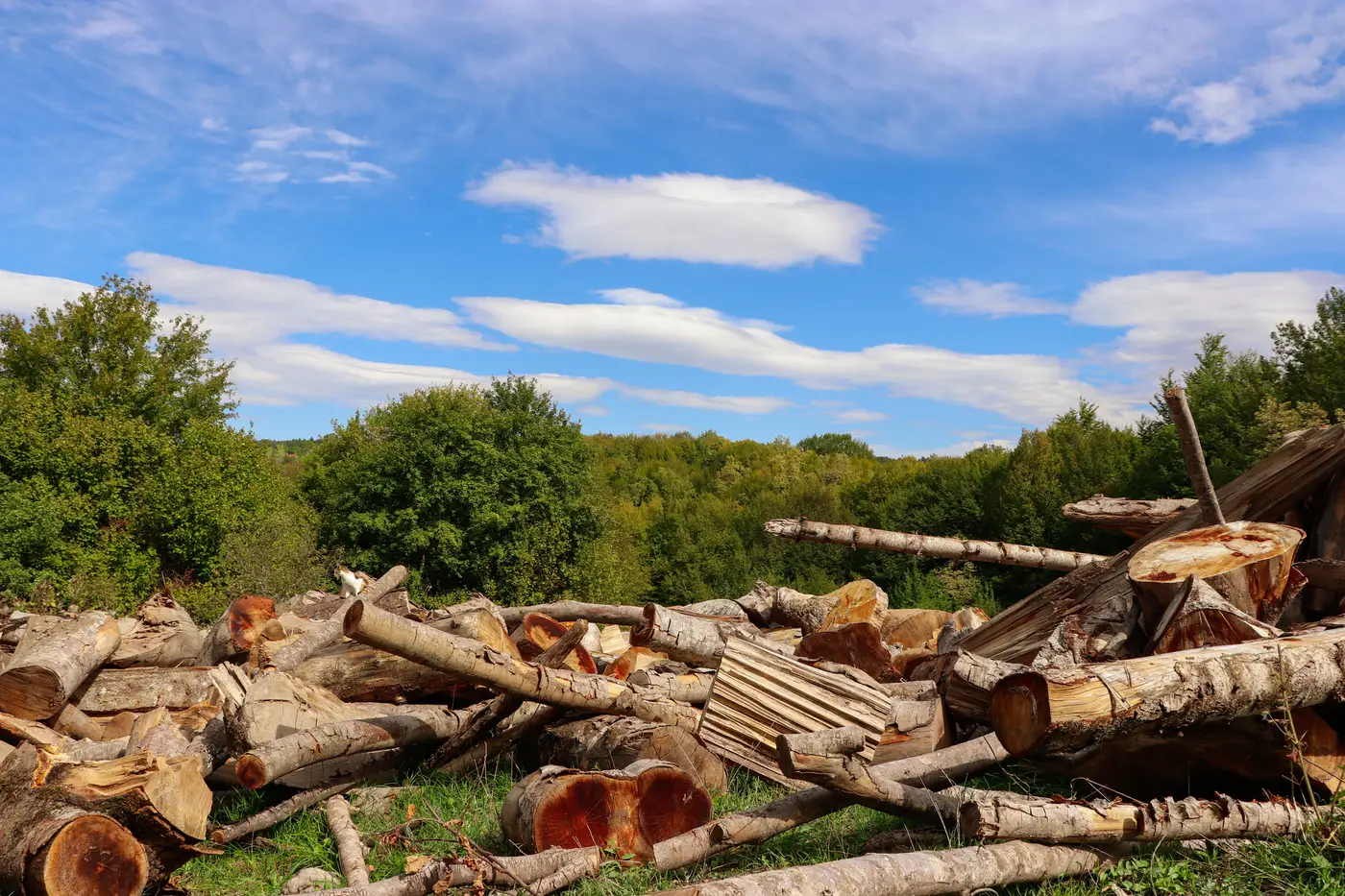
If you've spent any time around a civil contractor or a grading crew, you've heard the phrase "clearing and grubbing" tossed around like everybody already knows what it means. Most people in the trade do. Everybody else nods along and figures it's just cutting down some trees.
It's more specific than that, and the distinction matters if you're trying to read a site plan or figure out how far along a project really is.
Clearing and grubbing, defined
Clearing is the removal of trees, brush, stumps still standing, and other vegetation from the parcel. Grubbing is the next step: digging out the root systems, buried stumps, and organic debris left in the ground after the above-ground material is gone. You can clear a lot and still have a mess of roots and rotten wood sitting a foot under the surface. Grubbing takes that out too, usually down to a depth spelled out in the project specs, often somewhere around 12 to 18 inches depending on what the geotech report calls for.
Some contracts bundle the two words together as one line item. Others split them out separately in the bid schedule, because clearing can be done with a few passes of a dozer and a brush cutter, while grubbing often needs a different approach: root rakes, excavator buckets, sometimes hand labor around utilities or trees the owner wants to save.
Either way, the goal is the same. Strip the site down to mineral soil, or close to it, so the earthwork crew isn't grading over a buried stump that shows up three weeks later as a sinkhole in the subgrade.
Where it fits in the site clearing phase of construction
Clearing and grubbing sits right at the front of the earthwork sequence, ahead of rough grading and well ahead of utility trenching. The order on most jobs runs something like this:
Site clearing and grubbing comes first. Then topsoil stripping and stockpiling, since topsoil gets saved separately for later landscaping or erosion control rather than hauled off with the brush. After that comes rough grading, then utility installation, then fine grading and paving prep.
Topsoil stripping is the step people most often confuse with clearing and grubbing, and it's worth keeping straight. Clearing and grubbing removes vegetation and roots. Topsoil stripping removes the organic soil layer underneath, typically the top four to six inches, and stockpiles it on site. On a wooded parcel they can look like the same equipment doing the same thing in the same week. On a farm field or a grassy lot with nothing to cut down, clearing and grubbing might be a non-event and topsoil stripping is the first visible move.
That's why clearing and grubbing matters as a signal if you're watching a parcel from the outside, say from a public right-of-way, rather than reading the daily reports. A permit getting pulled tells you a project is approved. It doesn't tell you a crew is on site yet. Clearing and grubbing is the first physical sign that dirt is about to move. Once a dozer has knocked down the tree line and a grubbing rake has been through the stumps, you're usually looking at grading starting within a few weeks, not months.
That gap between permit and first scrape of topsoil is where a lot of territory reps lose time. A competitor's rep who happens to drive past the site, or who has a buddy at the GC, gets the first call before the project ever shows up on a bid board. Earthworks Alerts watches the parcels you've flagged and sends a dated alert the week topsoil first gets disturbed, with a before-and-after image pair so you can see it for yourself instead of waiting on a tip. If you'd rather know the day ground breaks than hear about it after someone else has already made the call, that's the gap it's built to close.