What a dirt scrape tells you about a job's real start date
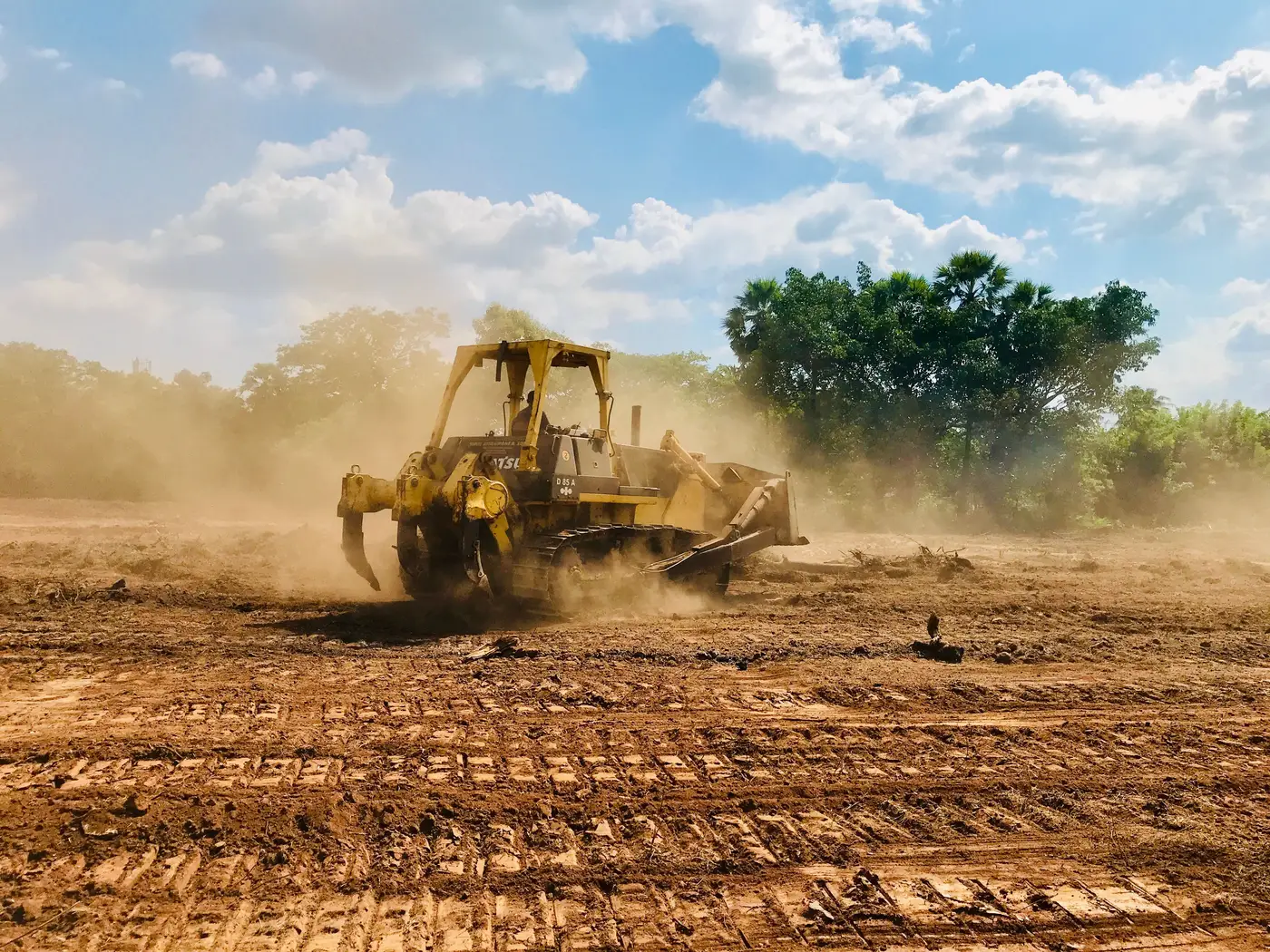
A permit gets filed. A sign goes up at the entrance. A trailer shows up in the gravel lot next door. None of that means dirt is moving. The first real tell that a job has gone from paper to build is the scrape: the grading contractor strips the topsoil off the parcel and you can see raw subsoil where there was grass or scrub a week before.
If you sell into construction accounts, that distinction is the whole game. A permit can sit on a shelf for eight months while the GC lines up financing or waits out a subcontractor dispute. A scrape means someone wrote a check to mobilize equipment. The job is live, and the account is in play right now, not sometime next quarter.
What happens during a dirt scrape
The scrape is the grubbing and stripping phase. Before any grading or utility work starts, the contractor has to clear vegetation and strip off the organic topsoil layer, usually the top six to twelve inches, and either stockpile it on site or haul it off. That strip is what makes the parcel look suddenly bare and gray-brown from above, a hard-edged patch cut into what was green or wooded ground the week prior.
It's a small operation compared to mass grading, sometimes just a dozer and a scraper for a few days, which is exactly why it's easy to miss if you're relying on drive-bys or waiting for erosion control measures like silt fence to show up. By the time silt fence goes in, the scrape has usually already happened. Same with mobilization trailers and porta-johns: those often land a few days after the ground's already been cut, not before.
Why the scrape beats every other signal you're watching
Territory reps have long used proxies for "is this job real." Permit board notices, bid lists, a competitor's truck parked at the site. All of them lag the physical start by weeks, sometimes months, and a permit filing in particular tells you nothing about timing since plenty of approved permits never break ground at all.
The scrape doesn't lie. Dirt doesn't move unless someone's paying for it to move. When you see that first strip of topsoil peeled back, you know three things are true: the contractor has equipment on site, the owner has released funds for site work, and the window for pitching materials, rental equipment, or aggregate supply just opened. Reps who catch that window in the first week or two get the call before the job's buyer has a short list. Reps who find out when the foundation's already poured are bidding against someone who already has a relationship.
The problem has always been visibility. Nobody's going to drive every parcel on their list every week checking for a bare patch of dirt, and the county permit office isn't going to call you when a crew shows up and cuts into the topsoil. That gap, between a job going live on the ground and you finding out about it, is where deals get lost to whichever rep happens to drive past first or gets a tip from a friend at the aggregate yard.
That's the specific gap Earthworks Alerts is built to close: a weekly satellite read on the parcels you're watching, flagging the first scrape with a dated alert and a before/after image pair so you're not relying on a drive-by or a permit clerk's goodwill. You watch the parcel, not the paperwork.
If there's a parcel on your list right now where you're not sure whether the scrape has already happened, that's worth checking before you assume you've got time.