Field notes: the morning the scrape beat the permit notice to our inbox
There's a particular kind of quiet that happens in a territory office around 7 a.m., before the permit clerk's email digest hits and before the phones start ringing. That quiet is where this story lives.
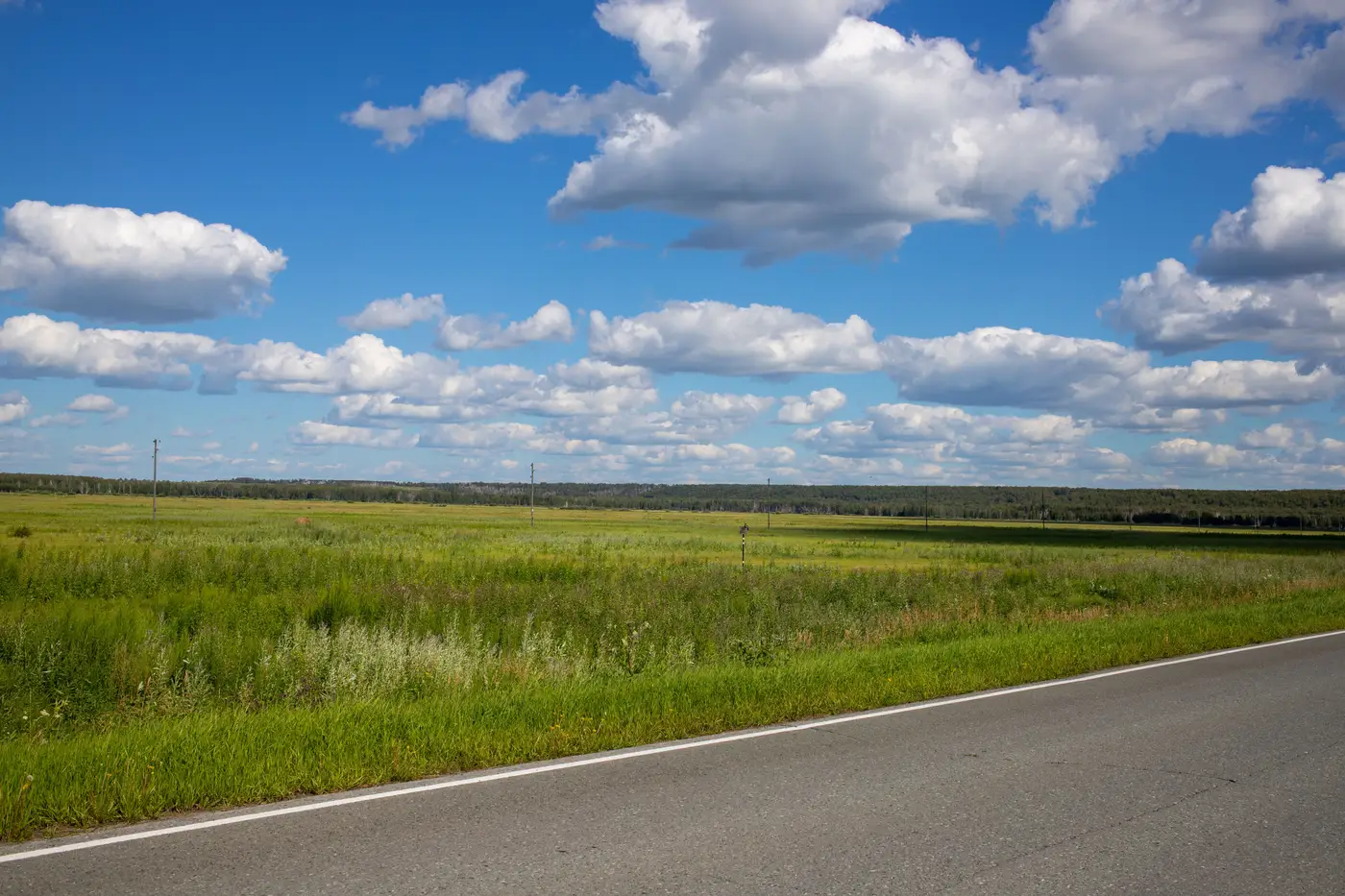
A parcel off a county road you've driven past for two years, flat, scrubby, a FOR SALE sign that's been leaning the same direction since spring, had a single line of topsoil peeled back along its north edge. Nothing on the ground to see yet. No silt fence, no porta-john, no contractor trailer. Just a scrape, maybe forty feet of it, dated three days earlier in a before/after image pair sitting in the inbox.
The county's weekly permit bulletin didn't mention that parcel. It wouldn't for another eleven days. By the time the grading permit showed up in the public notice feed, the pad was already cut and the site had a name on a sign.
This is the part people outside the trade don't get. Permit boards are a record of what already happened, filed by someone whose job is paperwork, not speed. A grading permit can sit in review for weeks after dirt starts moving, especially if the earthwork is phased or the parcel's already zoned and the contractor is just waiting on weather. The permit office isn't lying to you. It's just not built to be early.
The scrape is early. Somebody with a dozer decided this was the week, and the ground shows it before any office does.
What struck me about that morning wasn't the alert itself so much as what it replaced. The old routine was a Friday drive-by loop, maybe eight or nine parcels you kept half an eye on because a competitor's rep had burned you on one of them two years back, showing up with a bid the same week dirt moved while you were still waiting on the county. You learn to hate that feeling fast. It's not that you did anything wrong. You just weren't looking at the right Tuesday.
A weekly change read off satellite imagery doesn't replace the relationships or the follow-up call, but it does something the permit bulletin can't: it tells you the parcel changed before the general contractor has finished lining up subs, before the site trailer rolls in, before every other rep with a windshield and a watch list has made the same drive you just made. That gap, the one between first cut and first competitor, is the whole ballgame in this business. Three days of lead on a job that's going to need aggregate, forms, rebar, or a rental fleet for the next eight months is not a small thing. It's the difference between being the first call and being the fourth.
No drama, no site visit. Just a jagged line of disturbed soil against a clean field in two photos taken a week apart, and that's the whole tell. The ground doesn't care about zoning hearings or permit backlogs. It gets scraped when the equipment shows up, and if you're watching the right parcel, you see it the same week it happens instead of the week a clerk gets around to filing it.
If you're carrying a watch list of your own, the kind with parcels you've had a hunch about for a year, that's exactly the gap Earthworks Alerts is built to close, flagging the first scrape on a parcel you're tracking so you're not finding out from a sign in the ground. Worth putting your own list in front of it and seeing what shows up first.